.png)
Portugal Travel Guide 2026: Why Everyone Is Visiting Portugal Now

Updated: Mar 25
Why is Portugal trending for travel in 2026?
Portugal is one of the top travel destinations for 2026 because it offers exceptional value, stunning beaches, world-class wine regions, historic cities like Lisbon and Porto, and fewer crowds than other European hotspots.
Portugal has a way of making travel feel easy. One minute you're walking past blue-and-white tiles on a quiet street, the next you're looking out over the ocean from a cliff path. Then dinner shows up, simple, fresh, and somehow memorable.
In 2026, Portugal, part of the Schengen area in Western Europe, still makes sense for real-world trips, not just wish lists. With straightforward entry requirements and visa-free travel for many visitors, it's a strong pick for first-timers who want a smooth route, families who need convenience, couples who want romance without stress, and solo travellers who like walkable cities and social food culture. Finding the best time to visit is key to a smooth experience.
Below are the most practical reasons to choose Portugal this year, plus planning tips that keep the trip fun instead of frantic.
Is Portugal Expensive Compared to Other European Countries?

Portugal often delivers that rare combo: you can do a lot in one trip without feeling like every small choice costs extra. Lodging ranges from simple guesthouses to polished boutique hotels, so different budgets can still land in good locations. Local meals can be excellent without turning into a "special occasion" expense, especially outside tourist traps.
Public transportation helps, too. In Lisbon and Porto, you can cover a lot with metros, trams, and your own feet. Even when you add day trips, distances are short enough that you don't lose whole days to transit.
Costs still vary, of course. In summer, popular beach towns like the Algarve and the most central neighbourhoods can push prices up. The upside is that Portugal gives you many easy swaps, such as staying one neighbourhood over, travelling in shoulder season, or choosing a second base that's calmer.
Great food and drinks that do not require a big budget

Portugal's food culture rewards curiosity more than a huge budget. Traditional seafood shows up in everyday places, from grilled sardines to simple rice dishes and stews. Petiscos (small plates) make it easy to try a few things without committing to one big entrée. Meanwhile, bakery stops feel like a tradition, not a splurge, especially when a warm Pastel de Nata is involved.
Coffee culture also fits the pace of travel. A quick espresso break becomes a mini reset between hills and museums. Add regional wines, and you've got a country where "try the local" usually means good value and good flavour.
To eat well for less, use a few simple habits. Look for set lunch menus, peek into local markets, and walk a street or two off the main square. Those small detours often lead to better meals and a calmer vibe.
Easy, low-cost day trips that feel like a second vacation
Portugal is compact in a way that changes your whole itinerary. You can sleep in one city and still have a totally different day. Lisbon pairs naturally with Sintra palaces and forest paths that feel like a storybook. Porto connects well to the Douro Valley, where river views and vineyard terraces turn a day into a highlight. In the Algarve, coastal towns and beaches sit close enough that you can switch scenery without packing up your room.
Shorter distances save more than money. They also protect your time, so you spend less of the trip in transit and more of it actually experiencing places.
If a day trip takes two hours each way, it can drain your energy. In Portugal, many classics are close enough to stay fun.
You can pack a lot into one trip because Portugal is easy to travel in, based on our Portugal Travel Guide
Portugal works well for planners and for people who hate planning. The country's size keeps routes simple. Train links between Lisbon and Porto reduce the need for a car. Old towns tend to be walkable, so you can build days around neighbourhoods instead of long rides.
Tourism infrastructure is also strong in the places most visitors start, especially Lisbon, Porto, and the Algarve. You'll find plenty of tours, clear hotel options, and restaurants that handle international guests without losing local charm.
This ease matters in 2026 because it lowers friction. Less friction means more good mornings, fewer stressful logistics, and more space for spontaneous choices.
A few base cities cover a lot of the country
Many first trips work best with two to three bases. Lisbon is ideal for history, viewpoints (miradouros), and neighbourhood wandering, from Alfama to quieter corners across the hills. Porto offers riverfront walks, cellar tastings, and a slightly moodier, cozy feel, especially near the Douro. Then the Algarve shifts the tempo with beach days, cliff trails, and slow dinners.
If you have extra time, consider adding the Azores and Madeira rather than squeezing in more mainland stops. Madeira suits travellers who want dramatic hikes and gardens. The Azores fit those who crave green landscapes, crater lakes, and a calmer pace.
A simple structure keeps your trip from feeling like a relay race. Pick bases for the experiences you want, then use day trips to add variety.

Getting around is straightforward, even if you do not opt for a rental car
Portugal is friendly to travellers who rely on public transportation. Trains connect major cities comfortably, and local metros handle many city moves. Trams add charm in Lisbon, although they can be busy at peak times. Rideshares and taxis can fill gaps when you're tired or staying up a hill. Be mindful of pickpocketing and petty crime in busy areas.
A car can help in specific areas. Some smaller Algarve beaches feel easier with your own wheels. Driving in Portugal opens up rural Alentejo, perfect for road trips through the countryside between villages and viewpoints. On the other hand, driving in big cities can be a hassle because streets are tight and parking is limited.
For many travellers, a hybrid plan works best. Use trains between cities, then add a car for a short rural slice if it fits your style. Consult local authorities or official guides for up-to-date travel info.
Portugal keeps winning people over with variety, culture, and scenery
Portugal isn't just "nice for Europe." It has its own textures, from tile-covered facades to ocean-salty air, from slow village lunches to city nights that spill onto the sidewalk. You can build a trip around famous highlights like Lisbon and Porto, yet still find places that feel personal.
The best part is how quickly the mood changes. A viewpoint and a riverfront can be the same afternoon. A surfing town can sit near a quiet fishing village. Even the light feels different as you move from the north to the south.
Historic cities with real character, from tiled streets to river views

Lisbon feels bright and layered. You'll notice azulejos (painted tiles) on buildings, laundry lines over alleys, and miradouros that turn a short walk into a panoramic reward. Historic trams add character, even if you only ride once for the experience.
Porto is more compact and a bit more dramatic, with hills that drop toward the Douro River. Riverside areas invite long walks, and the city's older architecture feels worn-in, in a good way. If you want alternatives with fewer crowds, Coimbra offers deep history tied to its university, while Braga adds churches and a slower north-of-Portugal rhythm.
Beaches and coastlines for every style of trip
Portugal's coast isn't one note. The Algarve is the classic choice for warm-weather beach time, with golden beaches, coves, cliffs, and towns built around the sea. It suits families who want easy swim days and couples who want sunset viewpoints without a long hike.
In contrast, the Atlantic side can feel wilder. Costa Vicentina offers big open views and rugged paths. Around Nazaré, you get dramatic ocean energy and a more traditional coastal feel. Near Ericeira, surf culture shows up in cafés, beaches, and the daily rhythm of the town.
Choose your coastline based on the trip you want. Calm coves feel different than wind-and-wave viewpoints, and both can be perfect.
Wine, food regions, and small towns that feel timeless
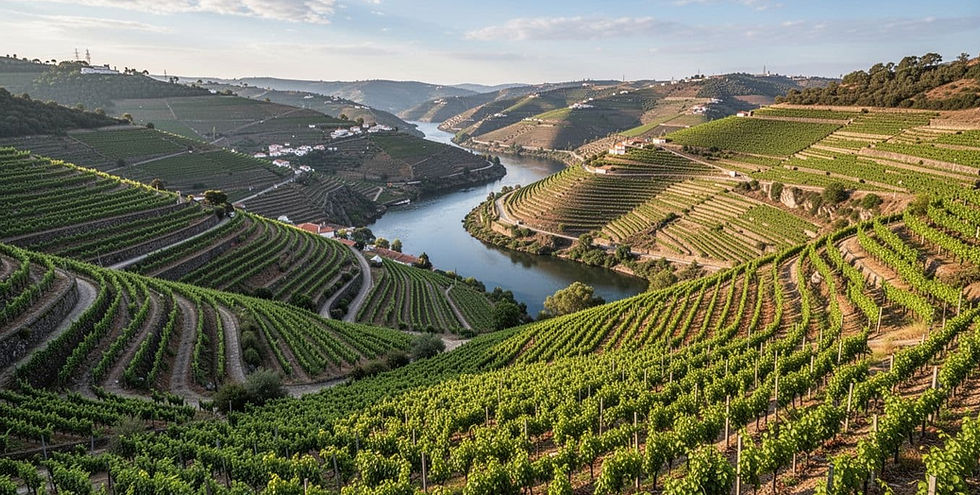
The Douro Valley looks like it was designed for slow travel. Vineyard terraces stack above the river, and tastings often come with views you'll remember longer than the wine notes. Try Vinho Verde as a local specialty alongside the ports. Even if you're not a wine expert, the scenery alone earns the trip.
The Alentejo region, farther south, shifts into wide countryside, whitewashed towns, and a quieter pace. It's also a region tied to olive oil, cork, and hearty grilled meats. For small towns, Óbidos feels storybook with walls and lanes, while Évora offers Roman history and a lived-in center that's easy to explore on foot. Learning the Portuguese language basics can help when visiting small towns.
These places balance city time. They also remind you that Portugal isn't only Lisbon and Porto, based on our Portugal Travel Guide.

Festivals and local traditions that make a 2026 trip feel more personal

Portugal's traditions show up in everyday life, but festivals turn them up to full volume. Lisbon's summer street festivals bring music, grilled food, and neighbourhood parties that run late. In Porto, São João is famous for its high-energy atmosphere and citywide celebration, so follow the guidance of local authorities.
Seasonal food festivals also pop up across regions, often tied to local harvests or specialties. The practical tip is simple: check local calendars and book early if your dates overlap a major weekend. Rooms fill faster, and train schedules can feel tighter.
If you catch even one local celebration, the trip can feel less like sightseeing and more like being present.
How to plan a Portugal 2026 trip that matches your travel style
A good Portugal plan doesn't need to be complicated. First, decide what matters most when you travel to Portugal: cities, beaches, food, nature, or a mix. Next, pick dates that match your crowd tolerance and weather goals. Then, keep your route simple enough that you can enjoy it.
The most common mistake is overpacking the schedule. Portugal's hills alone can humble an ambitious day plan. Build in breathing room, especially if you want long meals or late nights.

Best time to visit, based on weather, crowds, and what you want to do
Spring brings comfortable walking weather and a fresh, open feel in cities and the countryside. Early summer adds beach energy, longer days, and more buzz, although popular areas get busier. Fall can be a sweet spot because the weather often stays pleasant while crowds ease up.
Winter works for travellers who prioritize city breaks, food, and museums, and who don't mind cooler days. Coastal weather can be changeable, so pack layers.
The weather in the Azores and Madeira can differ from the mainland. These islands can feel mild, yet they can also shift quickly, especially in higher areas. Consider the Azores and Madeira as add-ons for unique nature experiences year-round.
Travel Requirements Checklist
Before booking, review these essentials to ensure smooth entry:
Passport validity: Check that your passport is valid for at least six months beyond your planned departure from Portugal.
Entry requirements: Confirm current entry requirements, such as visas for non-EU citizens staying beyond short visits.
90-day stay rules: EU/Schengen rules allow visa-free stays up to 90 days in any 180-day period for many nationalities; track your dates carefully.
Travel insurance: Get comprehensive travel insurance covering health, trip delays, and activities like hiking.
Entry requirements recap: Double-check entry requirements closer to your trip, as they can change.
Safety Notes
Portugal is generally safe, but stay aware of pickpocketing and petty crime in tourist crowds, especially in cities. Dial 112 for emergency services anytime. Stay updated via local authorities for any travel alerts or regional advice.
Simple Portugal itinerary ideas for 5 days, 7 days, or 10 days
Here are three easy frameworks that don't try to do everything:
5 days (one base): Lisbon, with a day trip to Sintra, plus one slower neighbourhood day.
7 days (two bases): Lisbon and Porto, using trains between them, with one day trip (Sintra or Douro).
10 days (three bases): Lisbon and Porto, plus the Algarve (or swap Algarve for Douro plus a quieter town).
Keep each outline loose. If you "save" one big sight for the next trip, you'll enjoy this one more.
Conclusion
Travel to Portugal in 2026 pays you back in value, ease, and variety, all in a country that's simple to move through. You can combine historic cities like Lisbon and Porto, the coast, and wine country without burning days on logistics, embracing the flexibility of road trips. Start by choosing your dates, mindful of the 90-day stay limit for tourists in the Schengen area, then pick two bases that match your pace. Always check with local authorities for seasonal updates. If you're travelling in peak season, book key stays early, then leave the rest flexible enough for surprises.
Inspired? Let’s make it happen.
Explore our newest travel deals showcasing Escorted European Tours & Luxury River Cruises and take the first step toward your next adventure.
Are you looking to book a trip to Portugal? We are here to help. From booking flights and hotels to arranging tours and activities, we will handle all the details so you can simply relax and enjoy your trip. If things go wrong, we're there to support you 24/7. Contact us today to start planning your next adventure!
Disclosure: This post may contain affiliate links, and we may earn a small commission at no extra cost to you.


Comments